

Perché scegliere un produttore di semirimorchi cinese per l'esportazione
2025-10-25
.gtr-container-x7y2z9 {
font-family: Verdana, Helvetica, "Times New Roman", Arial, sans-serif;
color: #333;
line-height: 1.6;
padding: 16px;
max-width: 100%;
box-sizing: border-box;
}
.gtr-container-x7y2z9 p {
font-size: 14px;
margin-bottom: 1em;
text-align: left !important;
}
.gtr-container-x7y2z9 .gtr-intro p {
margin-bottom: 24px;
}
.gtr-container-x7y2z9 .gtr-section {
margin-bottom: 24px;
}
.gtr-container-x7y2z9 .gtr-section-title {
font-size: 18px;
font-weight: bold;
margin-bottom: 12px;
color: #2c3e50;
text-align: left !important;
}
@media (min-width: 768px) {
.gtr-container-x7y2z9 {
padding: 32px;
max-width: 960px;
margin-left: auto;
margin-right: auto;
}
.gtr-container-x7y2z9 .gtr-intro p {
margin-bottom: 32px;
}
.gtr-container-x7y2z9 .gtr-section {
margin-bottom: 32px;
}
}
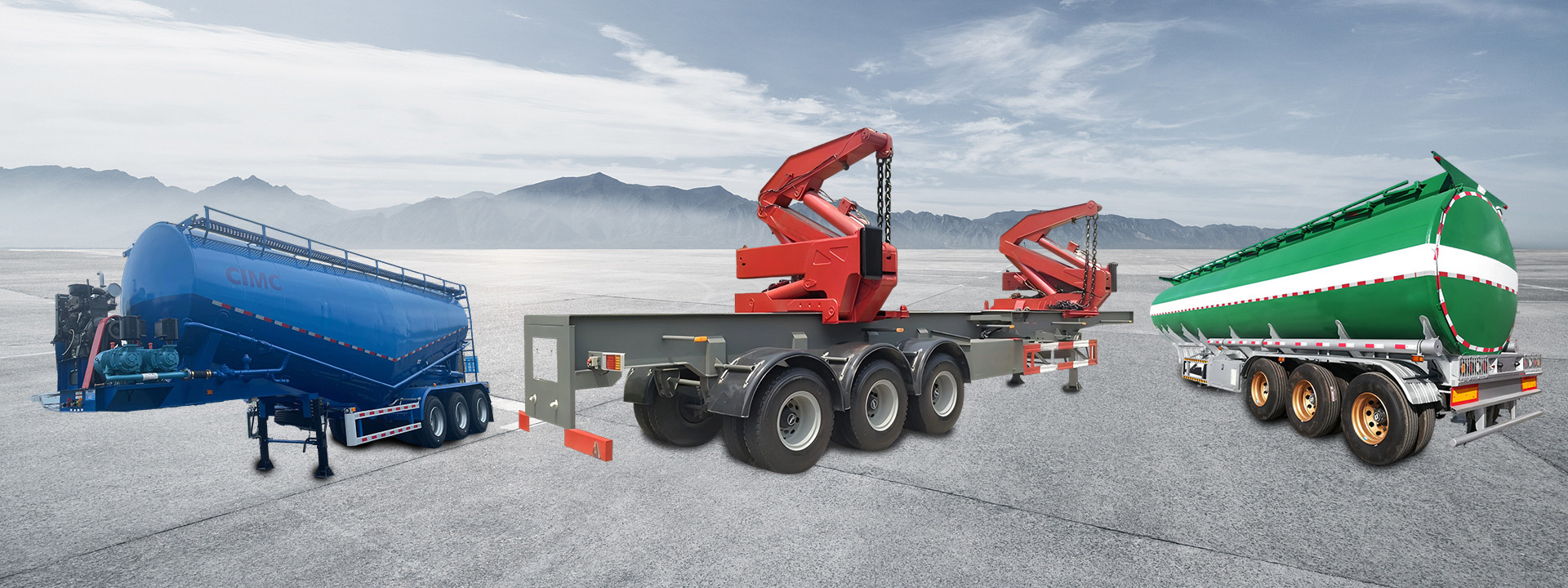
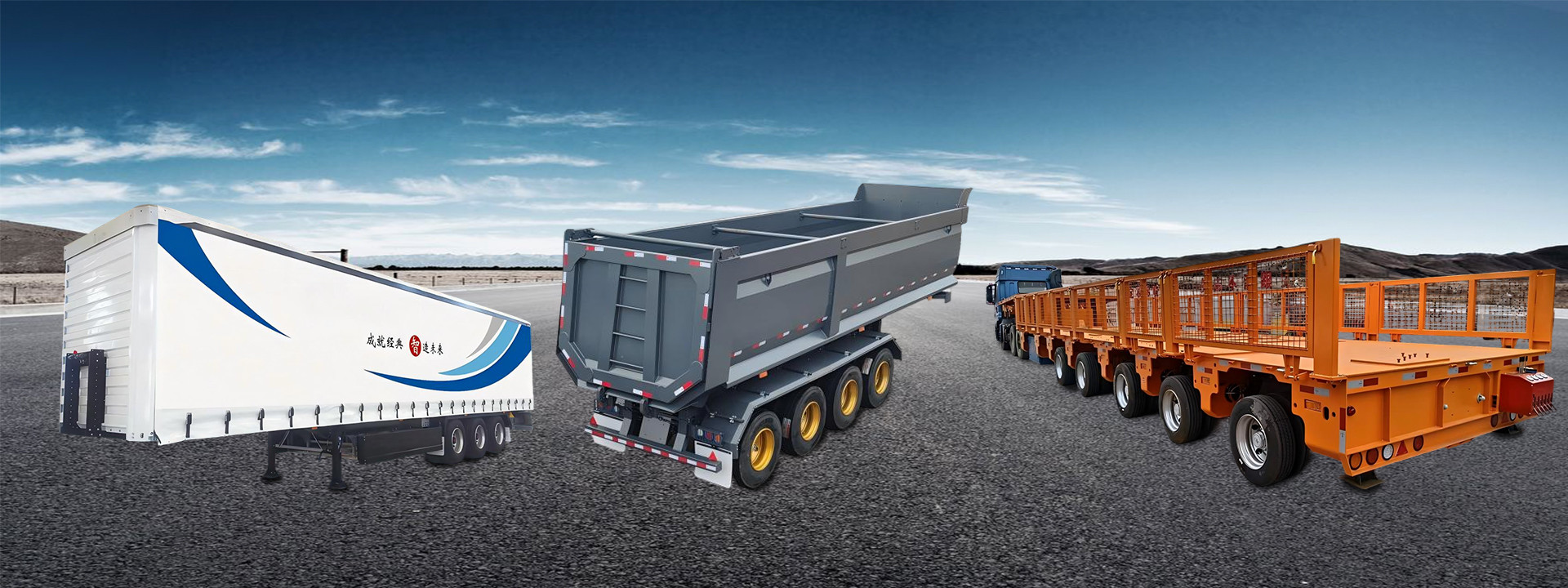
Scegliere il giusto fornitore di semirimorchi è una decisione critica per le aziende di logistica, gli appaltatori edili e gli operatori di flotte coinvolti nel trasporto internazionale. Negli ultimi anni, la Cina è diventata una delle principali fonti mondiali per l'esportazione di semirimorchi, offrendo forti capacità produttive, prezzi competitivi e qualità affidabile per gli acquirenti globali.
Capacità produttiva e fornitura stabile
Uno dei motivi principali per cui gli acquirenti scelgono un produttore cinese di semirimorchi è la capacità produttiva su larga scala. Le fabbriche cinesi di rimorchi operano sistemi di produzione completi, dalla lavorazione dell'acciaio all'assemblaggio finale. Ciò consente loro di gestire ordini all'ingrosso in modo efficiente e garantire programmi di consegna stabili. Per gli acquirenti internazionali che gestiscono l'espansione della flotta o progetti infrastrutturali, una fornitura affidabile è essenziale per mantenere le operazioni in linea.
Prezzi competitivi ed efficienza dei costi
La competitività dei prezzi rimane un grande vantaggio dell'esportazione di semirimorchi dalla Cina. Con catene di approvvigionamento mature e componenti di provenienza locale, i produttori cinesi possono ridurre significativamente i costi di produzione. Ciò consente agli acquirenti di acquistare semirimorchi di alta qualità a prezzi più convenienti rispetto ai fornitori europei o americani. Un investimento iniziale inferiore e un costo totale di proprietà ridotto rendono i rimorchi cinesi un'opzione interessante per le operazioni a lungo termine.
Qualità migliorata e standard internazionali
I moderni produttori cinesi di semirimorchi hanno apportato miglioramenti significativi alla qualità dei prodotti. Acciaio ad alta resistenza, tecniche di saldatura avanzate e rigorosi processi di ispezione della qualità sono ora standard in molte fabbriche. I rimorchi cinesi soddisfano comunemente certificazioni internazionali come ISO, CE, DOT e GCC, garantendo la conformità ai diversi requisiti del mercato di esportazione. Questi standard di qualità contribuiscono a garantire durata, sicurezza e prestazioni affidabili in diverse condizioni operative.
Personalizzazione per diversi mercati di esportazione
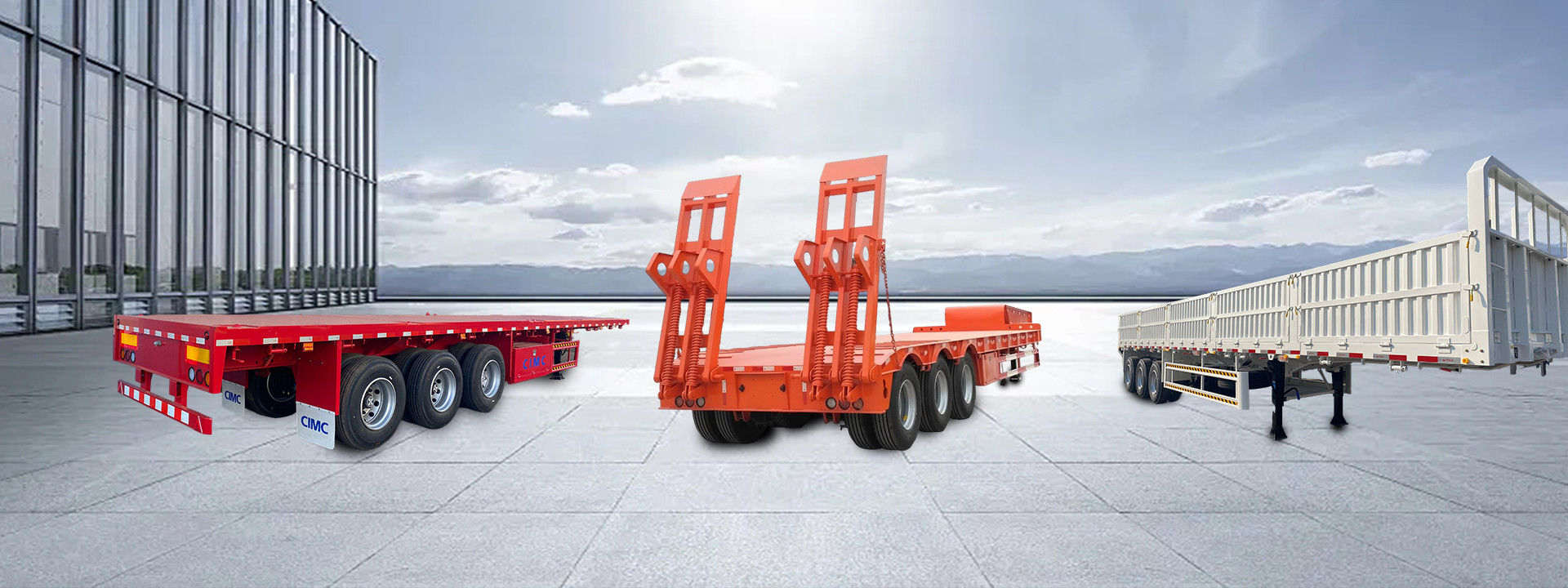
Un altro vantaggio chiave nella scelta di un fornitore cinese di semirimorchi è la capacità di personalizzazione. I produttori possono adattare i progetti dei rimorchi per soddisfare le condizioni stradali locali, i limiti di carico sugli assi e i tipi di carico. I rimorchi a pianale, i rimorchi scheletrici, i rimorchi ribassati e i rimorchi a sponda possono essere personalizzati in termini di dimensioni, configurazione degli assi, sistemi di sospensione e caratteristiche opzionali. Questa flessibilità aiuta gli acquirenti a evitare problemi operativi e a migliorare l'efficienza dei trasporti.
Logistica ed esportazione efficienti
La Cina ha una vasta esperienza nella logistica di esportazione di semirimorchi. I produttori hanno familiarità con i metodi di spedizione in container, spedizione alla rinfusa e trasporto Ro-Ro. Imballaggio di esportazione professionale, supporto documentale e ispezioni pre-spedizione contribuiscono a garantire una consegna senza intoppi ai porti di destinazione. Ciò riduce i rischi durante il trasporto internazionale e migliora l'affidabilità complessiva della catena di approvvigionamento.
Assistenza post-vendita e disponibilità di pezzi di ricambio
Un servizio post-vendita affidabile è un'altra ragione importante per cui gli acquirenti scelgono i produttori cinesi di semirimorchi. Componenti standardizzati e pezzi di ricambio prontamente disponibili rendono la manutenzione più facile ed economicamente vantaggiosa. Molti fornitori forniscono anche guida tecnica e supporto remoto, aiutando i clienti a risolvere i problemi rapidamente e a ridurre i tempi di inattività.
Conclusione
Scegliere un produttore cinese di semirimorchi per l'esportazione offre chiari vantaggi in termini di capacità produttiva, prezzi, qualità, personalizzazione e supporto logistico. Per gli acquirenti internazionali che cercano semirimorchi affidabili con forti prestazioni in termini di costi, la Cina rimane una delle destinazioni di approvvigionamento più competitive e affidabili. Poiché la domanda globale di attrezzature per il trasporto continua a crescere, i produttori cinesi sono ben posizionati per supportare gli acquirenti in tutto il mondo.
Guarda di più
Come ridurre i costi operativi con il giusto design del semirimorchio
2025-09-11
.gtr-container-x7y2z9 {
font-family: Verdana, Helvetica, "Times New Roman", Arial, sans-serif;
color: #333;
padding: 16px;
line-height: 1.6;
box-sizing: border-box;
max-width: 100%;
}
.gtr-container-x7y2z9__title {
font-size: 18px;
font-weight: bold;
margin-bottom: 20px;
color: #0056b3;
text-align: left;
}
.gtr-container-x7y2z9__paragraph {
font-size: 14px;
margin-bottom: 16px;
text-align: left !important;
word-break: normal;
overflow-wrap: normal;
}
@media (min-width: 768px) {
.gtr-container-x7y2z9 {
padding: 30px 50px;
max-width: 960px;
margin: 0 auto;
}
.gtr-container-x7y2z9__title {
font-size: 22px;
margin-bottom: 25px;
}
.gtr-container-x7y2z9__paragraph {
font-size: 15px;
margin-bottom: 18px;
}
}
Nel settore della logistica e dei trasporti altamente competitivo di oggi, la riduzione dei costi operativi è diventata una priorità assoluta per i proprietari di flotte e le imprese di trasporto.e le condizioni stradali sono spesso discusse, la progettazione di un semirimorchio svolge un ruolo fondamentale nel controllo dei costi a lungo termine.e migliorare l'efficienza generale dei trasporti.
Uno dei fattori più importanti che influenzano i costi operativi è il peso del rimorchio.Utilizzando acciaio ad alta resistenza e strutture di telaio ottimizzate, i moderni semirimorchi possono mantenere la loro durata riducendo il peso inutile.quando l'efficienza del carburante influisce direttamente sulla redditività.
Anche la configurazione degli assi e la distribuzione del carico hanno una grande influenza sui costi operativi.Selezionare il numero corretto di assi aiuta a garantire il rispetto delle norme stradali locali riducendo al minimo l'usura dei pneumatici e lo stress meccanicoUna corretta distribuzione del carico riduce la pressione sui sistemi di sospensione, sugli assi e sui pneumatici, prolungando la loro durata di servizio e riducendo la frequenza della manutenzione.un semirimorchio a tre assi ben progettato offre un equilibrio tra capacità di carico e adattabilità stradale in molti mercati di esportazione.
I sistemi di sospensione svolgono un ruolo chiave nella riduzione dei costi di riparazione e manutenzione.rendendoli adatti alle condizioni stradali difficiliI sistemi di sospensione a aria, invece, offrono un migliore comfort di guida e protezione del carico, riducendo i danni durante il trasporto.La scelta della giusta sospensione in base all'ambiente di funzionamento aiuta le flotte a evitare spese inutili di riparazione.
Un altro fattore di risparmio è la compatibilità tra pneumatici e freni.Un semirimorchio progettato per utilizzare le dimensioni standard dei pneumatici e i componenti dei freni ampiamente disponibili rende più facile ed economico l'acquisto di pezzi di ricambioCiò riduce i tempi di fermo e i costi di manutenzione, soprattutto nelle regioni in cui l'accesso a parti specializzate è limitato.I sistemi di frenatura affidabili migliorano anche la sicurezza e aiutano a evitare incidenti o ritardi costosi.
La versatilità del rimorchio è spesso trascurata, ma svolge un ruolo importante nell'efficienza dei costi.un rimorchio a pianta piatta con serrature per container può trasportare sia container che carico generale, consentendo alle flotte di adattarsi alle mutevoli esigenze logistiche senza dover investire in attrezzature aggiuntive.
La durabilità e la resistenza alla corrosione influenzano direttamente i costi operativi a lungo termine.offrire una durata di vita più lunga in ambienti difficiliCiò è particolarmente importante per i mercati di esportazione con elevata umidità, condizioni costiere o strade non asfaltate.
Infine, la personalizzazione in base alle esigenze regionali contribuisce ad evitare costi nascosti.e le abitudini operative garantiscono operazioni più fluide e meno problemi normativi. rimorchi su misura
Guarda di più
Come estendere la durata di servizio di un telaio per semirimorchio
2025-12-11
Il telaio è la parte più importante di un semirimorchio perché trasporta l'intero carico e determina la durata complessiva del veicolo. Molte aziende di trasporto, in particolare quelle che operano in Africa, Medio Oriente e Sud-est asiatico, lavorano in condizioni stradali difficili dove i rimorchi sono esposti a carichi pesanti, vibrazioni a lunga distanza e terreni irregolari. Gli acquirenti spesso cercano la durata del telaio del semirimorchio, una trave principale robusta del rimorchio, un telaio per impieghi gravosi per strade accidentate e come prolungare la durata del rimorchio. Comprendere come proteggere e mantenere il telaio può ridurre significativamente i costi di riparazione e migliorare le prestazioni a lungo termine.
L'importanza di un telaio robusto per semirimorchio
Un telaio di alta qualità garantisce stabilità, sicurezza e prestazioni di carico. La trave principale, le traverse, la qualità della saldatura, il grado di acciaio e il processo di fabbricazione influenzano direttamente la durata del rimorchio. Le aziende di trasporto si trovano spesso ad affrontare problemi come la rottura delle travi, la deformazione, la corrosione della ruggine e il disallineamento degli assi. Questi problemi di solito si verificano a causa di saldature scadenti, acciaio a bassa resistenza, sovraccarico o mancanza di una corretta manutenzione. Pertanto, migliorare la progettazione strutturale e adottare metodi di manutenzione corretti può prolungare notevolmente la durata del telaio.
Utilizzare acciaio ad alta resistenza per una migliore durata
La scelta dell'acciaio è uno dei fattori chiave che influenzano la durata di un telaio per semirimorchio. L'acciaio ad alta resistenza come Q345 o Q550 offre una migliore capacità di carico e resistenza alla flessione e agli urti. Gli acquirenti che cercano telai per rimorchi ad alta resistenza, travi principali rinforzate e telai per impieghi gravosi in Africa di solito confrontano i gradi e lo spessore dell'acciaio prima dell'acquisto. L'utilizzo di acciaio di alta qualità migliora la resistenza alla fatica e riduce il rischio di crepe durante il funzionamento a lungo termine.
Design della trave principale rinforzata per carichi pesanti
La trave principale è la spina dorsale del rimorchio. Una struttura a trave a I rinforzata con piastre superiori, piastre inferiori e piastre di anima spesse aiuta il rimorchio a resistere a carichi pesanti e strade accidentate. Una trave ben progettata riduce la concentrazione degli stress e migliora la rigidità alla flessione. Molti acquirenti cercano travi per rimorchi rinforzate, telai durevoli per strade accidentate e rimorchi a tre assi per impieghi gravosi quando scelgono i fornitori. Le travi rinforzate prolungano la durata del telaio in caso di carico e scarico frequenti.
Una migliore qualità della saldatura garantisce una resistenza a lungo termine
Una saldatura scadente è uno dei motivi principali per cui i telai dei rimorchi si guastano prematuramente. La saldatura di alta qualità migliora l'integrità strutturale del telaio e ne aumenta la capacità di sopportare carichi pesanti. La saldatura automatizzata garantisce uniformità e riduce gli errori umani. Molte aziende di trasporto cercano rimorchi con saldatura robotizzata, telai con saldatura di alta qualità e processi di saldatura dei rimorchi durevoli. Le saldature stabili e lisce riducono le possibilità di crepe, rotture e deformazioni.
Trattamento antiruggine per prevenire la corrosione
La corrosione è una minaccia importante per i semirimorchi che operano in regioni costiere, aree umide o ambienti polverosi. La ruggine indebolisce l'integrità strutturale del telaio e ne accorcia la durata. La sabbiatura, il primer anticorrosione e il rivestimento superiore di alta qualità possono migliorare significativamente la resistenza alla ruggine di un rimorchio. Gli acquirenti spesso confrontano i telai dei rimorchi con protezione dalla ruggine, i telai anticorrosione e la vernice per rimorchi di lunga durata quando selezionano i prodotti. Un trattamento superficiale adeguato aiuta a mantenere la resistenza per molti anni.
Pratiche di carico corrette per ridurre lo stress
Il sovraccarico aumenta lo stress sul telaio e accelera l'affaticamento strutturale. Molte aziende di trasporto operano al di sopra della capacità nominale, in particolare in mercati come l'Africa e il Sud-est asiatico. Questa abitudine riduce drasticamente la durata della trave principale e del sistema di sospensione. L'utilizzo di una corretta distribuzione del carico ed evitando un peso eccessivo aiuta a mantenere l'integrità strutturale del telaio. Gli acquirenti che cercano rimorchi per la distribuzione del carico, semirimorchi per il carico sicuro e come evitare la flessione del telaio sono spesso alla ricerca di una durata a lungo termine.
Manutenzione regolare per prevenire danni precoci
L'ispezione e la manutenzione regolari svolgono un ruolo chiave nel prolungare la durata di un telaio per semirimorchio. Le attività di manutenzione comuni includono il controllo di crepe, la pulizia di macchie di ruggine, il serraggio dei bulloni, l'ispezione delle sospensioni e la verifica dell'allineamento degli assi. Molte aziende cercano una guida alla manutenzione dei semirimorchi, l'ispezione del telaio del rimorchio e come prevenire la rottura delle travi. La manutenzione ordinaria aiuta a identificare i problemi in anticipo e previene guasti importanti.
Utilizzare sospensioni e assi di alta qualità
Il sistema di sospensione e gli assi influenzano direttamente il modo in cui le vibrazioni e gli urti vengono trasmessi al telaio. Le sospensioni meccaniche per impieghi gravosi, le robuste balestre e gli assi affidabili riducono lo stress sulla trave principale. Gli acquirenti spesso confrontano le sospensioni per impieghi gravosi in Africa, gli assi robusti dei rimorchi a tre assi e i sistemi di balestre durevoli perché questi componenti influenzano in modo significativo la durata del telaio. I componenti di alta qualità riducono l'affaticamento e l'usura strutturale durante i viaggi a lunga distanza.
Anche il funzionamento del conducente influenza la durata del telaio
Le abitudini di guida influiscono sullo stress posto sul telaio. Frenate brusche, accelerazioni improvvise, curve strette e funzionamento ad alta velocità su strade accidentate accelerano l'usura. Molte aziende cercano una guida sicura del rimorchio, come ridurre lo stress del telaio e le migliori pratiche per il trasporto a lunga distanza. Una corretta formazione del conducente può prolungare efficacemente la vita utile del telaio.
Conclusione
Prolungare la durata di un telaio per semirimorchio richiede attenzione ai materiali, alla struttura, alla qualità della fabbricazione e alla manutenzione quotidiana. L'acciaio ad alta resistenza, le travi rinforzate, l'eccellente saldatura, il trattamento anticorrosione e le sospensioni di alta qualità contribuiscono tutti a un telaio durevole e affidabile. Le corrette pratiche di carico e la manutenzione regolare aiutano a prevenire danni precoci e a ridurre i costi di riparazione. Per le aziende che operano in ambienti difficili, la scelta di un telaio per impieghi gravosi ben progettato è essenziale per le prestazioni a lungo termine e la sicurezza operativa.
Guarda di più
Semi-remorchi nel trasporto su strada in Africa: caratteristiche di applicazione e domanda di mercato
2025-12-11
I semirimorchi svolgono un ruolo importante nel trasporto su strada in Africa, dove oltre l'ottanta per cento delle merci si basa su camion e rimorchi per spostarsi tra porti, città, aree industriali e regioni minerarie.Le condizioni stradali in tutta l'Africa variano molto, quindi gli acquirenti spesso cercano attrezzature affidabili e durevoli utilizzando termini come semi-remolchi Africa, semi-remolchi pesanti per strade accidentate, rimorchi a tre assi Africa,rimorchio per discariche per l'industria mineraria in Africa e rimorchio a letto basso per le attrezzature da costruzioneComprendere le caratteristiche richieste per le applicazioni africane è la chiave per conquistare acquirenti del settore e migliorare la copertura delle parole chiave organiche.
L'ambiente dei trasporti in Africa
Molti paesi africani dipendono fortemente dal trasporto su strada a lunga distanza a causa della limitata copertura ferroviaria.creando una forte domanda di semirimorchi in grado di gestire lunghe distanzeGli acquirenti di solito cercano su Google semirimorchi adatti a strade cattive, sistemi di sospensione durevoli, rimorchi a telaio rinforzato,semirimorchi e cisterne di combustibile per la logistica africanaQueste tendenze di ricerca riflettono la necessità di attrezzature più resistenti e più adattabili.
Perché i semirotor sono ampiamente usati in Africa
I semirimorchi sono la soluzione preferita dalle imprese di trasporto in Africa a causa della loro elevata capacità di carico e delle loro prestazioni stabili in condizioni di strada mista.I semirimorchi a tre assi sono particolarmente popolari in quanto possono trasportare container, merci sfuse, materiali da costruzione e prodotti agricoli. La loro struttura complessiva e la loro flessibilità le rendono idonee per consegne a lungo raggio, trasporti portuali,catene di approvvigionamento mineraria e logistica del progettoGli acquirenti confrontano spesso la durata, la capacità di carico, il marchio dell'asse, la resistenza della sospensione e la qualità dell'acciaio prima di effettuare ordini.
Tipi comuni di semirimorchi usati in Africa
I semi-remorchi a piattapiana sono ampiamente utilizzati per il trasporto di container e il movimento di merci in generale.Il carico pesante e i lunghi percorsi rendono la durata la priorità assoluta, quindi gli acquirenti africani cercano rimorchi a piatto Africa, rimorchi per container Africa e semi-remorchi a piatto triasse.
I semirimorchi sono importanti per l'estrazione mineraria e la costruzione.Acquirenti in cerca di rimorchio per discariche minerarie Africa, rimorchio ad inclinatore pesante e semirimorchio a cilindro idraulico forte per confrontare le specifiche.
I rimorchi sono utilizzati per il trasporto di macchinari da costruzione come escavatori, caricatori e bulldozer.e l'Etiopia preferiscono rimorchi a letto basso con collo di gallina rinforzato e rampe di carico affidabiliLe parole chiave come lowbed trailer Africa, lowboy trailer per macchinari e heavy equipment transport trailer hanno una domanda organica stabile.
I semirimorchi per petroliere sono essenziali per le compagnie petrolifere e per la distribuzione del carburante.rimorchi per serbatoi in alluminio e serbatoi per combustibile in acciaio al carbonio resistenti.
Caratteristiche fondamentali richieste per le condizioni stradali africane
Le condizioni stradali in tutta l'Africa richiedono rimorchi con strutture eccezionalmente resistenti.La trave principale è generalmente realizzata con acciaio ad alta resistenza come Q345 o Q550 per gestire carichi pesanti e impatti da terreni irregolariIl sistema di sospensione deve essere abbastanza resistente da resistere a vibrazioni e sovraccarichi a lungo termine, motivo per cui la sospensione meccanica è più popolare della sospensione pneumatica.Gli acquirenti spesso cercano rimorchi con telaio rinforzato, semirimorchio a sospensione pesante e rimorchio a asse resistente per strade accidentate.
Gli assi pesanti, le molle a foglia robuste e i pneumatici di alta qualità sono necessari perché le aziende di trasporto spesso operano in ambienti caldi, polverosi e umidi.5 sono preferiti per la stabilità e la lunga durataMolte aziende di logistica africane sono alla ricerca di semi-rimorchi con asse robusto, pneumatici per rimorchi pesanti e assi di rimorchi per strade difficili.
La protezione contro la ruggine è importante anche perché molte regioni hanno climi costieri o condizioni meteorologiche estreme.Il primer anticorrosione e il rivestimento superiore di alta qualità attirano più acquirenti professionisti.
Le sfide che incontrano i rimorchiatori in Africa
Nonostante i loro vantaggi, i semirimorchi in Africa incontrano sfide come il sovraccarico, gli urti stradali, la fatica a lunga distanza e le strutture di riparazione limitate nelle zone remote.Questi fattori aumentano la necessità di componenti affidabiliLe parole chiave sono: semi-remolchi duraturi Africa,I rimorchi per il trasporto di merci pesanti e i rimorchi a lunga distanza per l'Africa sono spesso utilizzati da acquirenti in cerca di soluzioni affidabili..
Perché i rimorchi cinesi rimangono popolari in Africa
Molte aziende africane scelgono semirimorchi di fabbricazione cinese a causa del design personalizzabile, del forte rapporto costo-prestazioni e della rapida consegna.assi e sistemi di sospensione personalizzati specificamente per le condizioni stradali africane. Gli acquirenti cercano il fornitore di semi-remorche cinesi, il miglior produttore di semi-remorche per l'Africa e semi-remorche personalizzate per il mercato africano quando confrontano i fornitori.
Conclusioni
L'industria dei trasporti su strada in Africa continua ad espandersi, creando una forte domanda di semirimorchi affidabili progettati per strade accidentate e operazioni a lunga distanza.sospensione pesante, assi resistenti e protezione anticorrosione sono più adatti per il mercato africano.Africa: rimorchio a letto basso, rimorchio pesante per strade accidentate e relative parole chiave a coda lunga, è possibile attirare più acquirenti industriali di alta intenzione e migliorare le prestazioni di ricerca organica.
Guarda di più
Vantaggi della Cina come produttore di semirimorchi: capacità produttiva, prezzi e qualità rispetto alla concorrenza globale
2025-12-08
I vantaggi della Cina come produttore di semirimorchi: capacità di produzione, prezzi e qualità rispetto ai concorrenti globali
Negli ultimi anni la Cina è diventata uno dei più importanti centri mondiali di produzione ed esportazione di semirimorchi.e migliorare la qualità dei prodotti, i produttori cinesi di semirimorchi stanno guadagnando quote di mercato in Africa, Asia sudorientale, Medio Oriente, Sud America e persino in alcune parti d'Europa.il mercato globale continua a spostarsi verso i rimorchi di fabbricazione cinese a causa di chiari vantaggi che i concorrenti internazionali trovano difficili da eguagliare.
Uno dei maggiori punti di forza dei produttori cinesi è la capacità di produzione su larga scala.tecnologia di saldaturaQuesto permette alle fabbriche di ottenere una produzione di massa mantenendo una produzione costante.e i produttori possono supportare grandi ordini per le imprese di costruzioneMolte fabbriche di rimorchi cinesi operano linee di produzione automatizzate, macchine di taglio CNC, attrezzature di saldatura robotizzate,e sistemi avanzati di ispezione della qualità, consentendo loro di mantenere l'efficienza rispettando gli standard internazionali.
La competitività dei prezzi è un altro fattore chiave che guida la domanda globale di semirimorchi cinesi.Perché molte parti come gli assi, pneumatici, sistemi di sospensione e componenti elettrici sono prodotti a livello nazionale, i costi di produzione complessivi sono significativamente inferiori a quelli dei produttori in Europa o Nord America.Ciò consente alle fabbriche cinesi di offrire prezzi più convenienti senza compromettere le prestazioni o la durataPer i mercati in via di sviluppo in cui le aziende logistiche mirano a ridurre i costi di investimento mentre espandono le loro flotte, i rimorchi cinesi offrono una soluzione ideale.
In termini di qualità, i semirimorchi cinesi hanno fatto miglioramenti significativi negli ultimi anni..I progetti moderni utilizzano acciaio ad alta resistenza, saldatura laser, rivestimento per elettroforesi e trattamenti anti-corrosione per garantire una lunga durata di vita.e sistemi di frenatura sono stati anche aggiornati per soddisfare le aspettative di prestazioni globaliCon l'aumentare delle richieste di trasporto in tutto il mondo, i clienti sono alla ricerca di attrezzature in grado di gestire carichi pesanti, cattive condizioni stradali e operazioni a lunga distanza.e i rimorchi cinesi hanno dimostrato di essere affidabili in questi ambienti difficili.
Confrontando i rimorchi cinesi con quelli prodotti in Europa e Nord America, le differenze si restringono.Mentre i marchi occidentali mantengono ancora i vantaggi della tecnologia di fascia alta e della durabilità a lungo termineIn molti paesi, il costo totale di un rimorchio cinese, compresi acquisto, manutenzione e ricambi, è pari a circa il 50% del costo totale di un rimorchio cinese.è dal 30 al 50% inferiore a quello dei rimorchi europei importatiQuesto vantaggio in termini di costi è particolarmente importante per le imprese che operano nel settore delle costruzioni, delle miniere, dei trasporti agricoli e della logistica portuale.
I produttori cinesi di semirimorchi eccellono anche nella capacità di personalizzazione.Le fabbriche cinesi possono adattare rapidamente i disegni in base alle esigenze del cliente, compresa la configurazione degli assi, il tipo di sospensione, la capacità di carico, le dimensioni e gli accessori opzionali.quando le norme di trasporto e i tipi di carico variano notevolmente da paese a paeseLa rapida personalizzazione e i cicli di consegna più brevi rendono i prodotti cinesi più adatti ai mercati emergenti.
Un altro vantaggio competitivo è rappresentato dalla disponibilità di pezzi di ricambio.e componenti elettrici a prezzi competitiviPer le aziende che gestiscono grandi flotte di rimorchi, il sistema di manutenzione è molto più efficiente.La disponibilità di ricambi è uno dei fattori più importanti che influenzano le operazioni a lungo termine.
Nel complesso, la Cina si è affermata come un forte concorrente globale nel settore della produzione di semiretreno.I rimorchi cinesi offrono un valore eccezionale per una vasta gamma di esigenze di trasportoMentre lo sviluppo delle infrastrutture, la domanda logistica e i progetti di costruzione continuano a crescere in tutto il mondo,I produttori cinesi dovrebbero svolgere un ruolo ancora più significativo nel mercato mondiale dei rimorchiPer gli acquirenti internazionali che cercano attrezzature affidabili a prezzi competitivi, i semiretrai cinesi rappresentano una delle opzioni più convenienti nel 2025 e oltre.
Guarda di più